
Introduction: Understanding the Condition
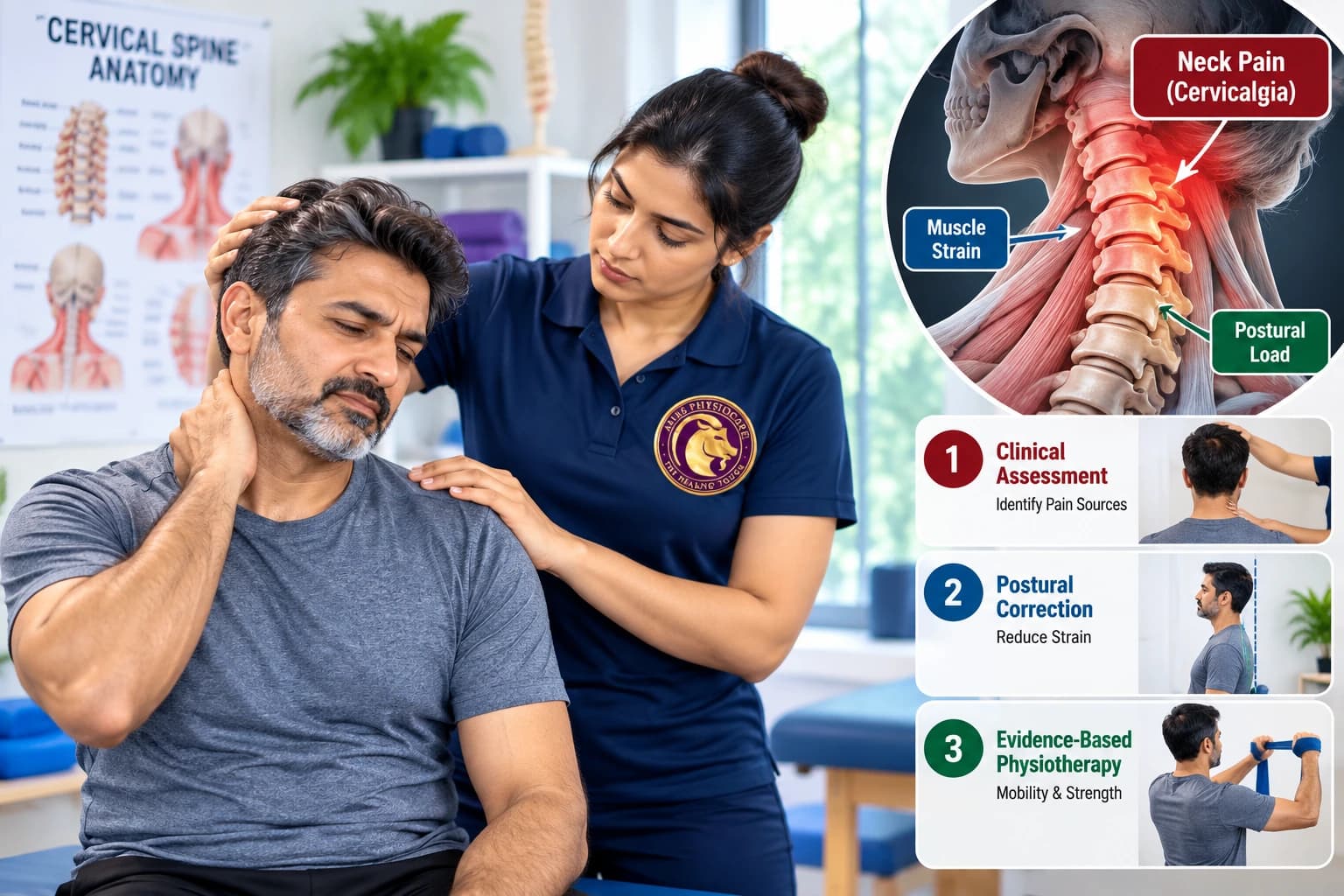
The human cervical spine is an extraordinarily mobile and vulnerable anatomical structure comprising seven delicate vertebrae (C1–C7) supporting an average adult head weight of 4.5 to 5.5 kilograms. Neck pain, clinically termed cervicalgia, is one of the most prevalent musculoskeletal complaints worldwide, ranking among the top five causes of chronic disability. It encompasses a wide spectrum of functional disorders ranging from acute paraspinal muscle strain and facet joint arthropathy to ligamentous sprains. Modern clinical evidence confirms that over 85% of non-specific neck pain cases achieve complete functional recovery through structured, non-invasive physiotherapy interventions rather than pharmaceutical masking or prolonged rest.
Common Symptoms
Key clinical indicators and functional presentations:
- Persistent localized dull aching or burning sensation across the posterior cervical region
- Sharp pain exacerbated by rotational head movements or prolonged static posture
- Radiation of discomfort across the supraspinatus ridge and interscapular region without true radicular signs
- Morning stiffness in the neck accompanied by limited rotational and lateral flexion range of motion
- Compensatory shoulder elevation and protective paraspinal muscle guarding
- Tension-type headaches radiating from the suboccipital triangle toward the forehead
- A sensation of cervical heaviness or fatigue by the end of the working day
Causes & Clinical Diagnosis
Etiological drivers and diagnostic assessment:
- Prolonged static posture during occupational computer usage and sustained cervical flexion
- Repetitive micro-trauma from awkward sleeping biomechanics or unsupportive pillow heights
- Sudden acceleration-deceleration forces causing acute myofascial strains
- Degenerative alterations in cervical intervertebral discs and zygapophyseal joints
- Clinical diagnosis involves a thorough neurological screen, active and passive cervical range of motion measurement, cervical quadrant testing (Spurling's test), and palpatory assessment of facet joint gliding.
Pathophysiology & Biomechanical Impact
Under prolonged static or asymmetric loading, the deep cervical stabilizing muscles (longus colli, longus capitis, and suboccipital group) experience reflex inhibition and rapid fatigue. Consequently, superficial mobilizers (upper trapezius, levator scapulae, and sternocleidomastoid) become chronically hypertonic to maintain head posture. This imbalance alters cervical lordosis, concentrates compressive loads on posterior facet joints, and impairs normal vertebral microcirculation, precipitating ischemic trigger points and local inflammatory exudates.
Evidence-Based Physiotherapy Protocols
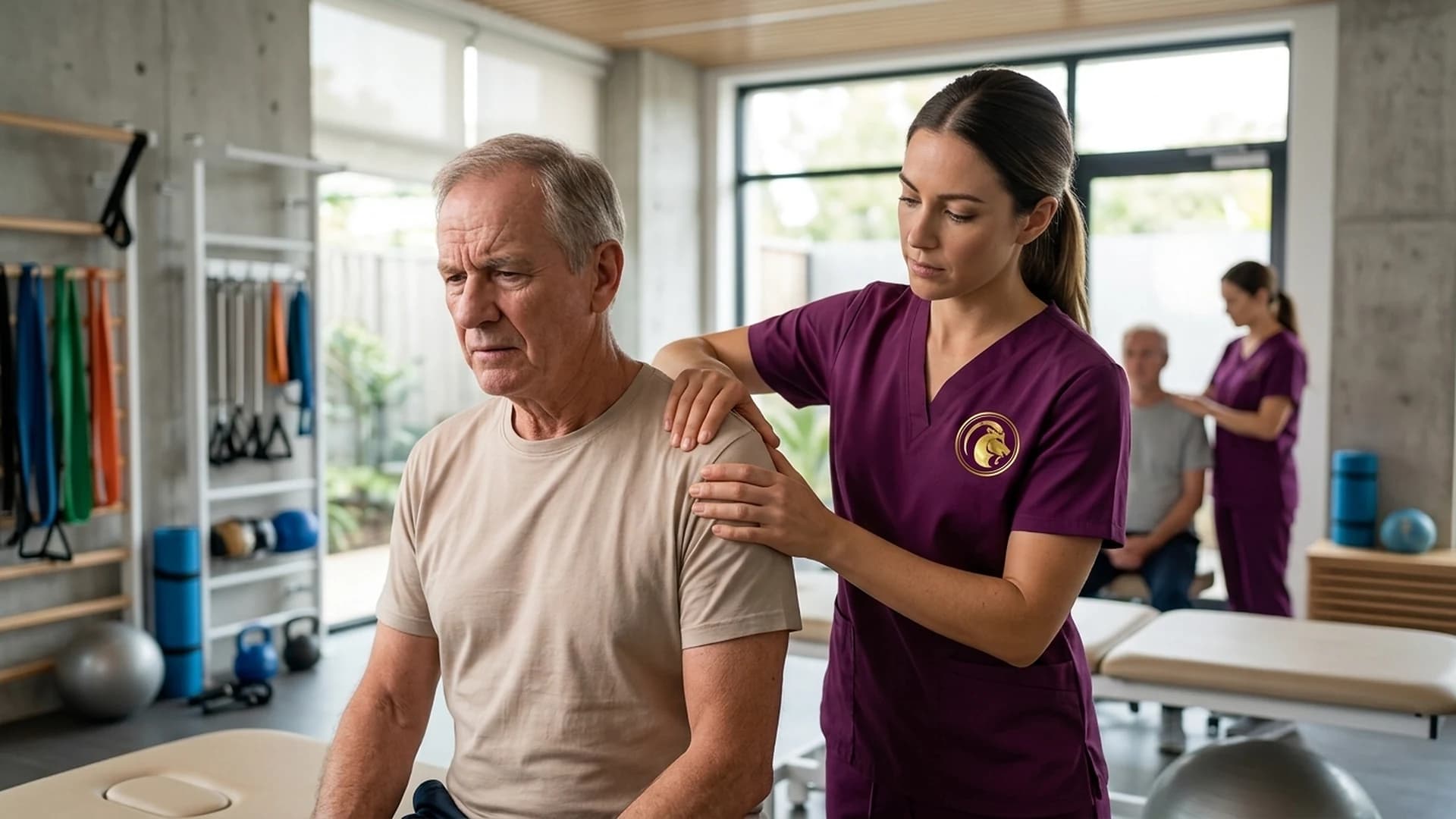
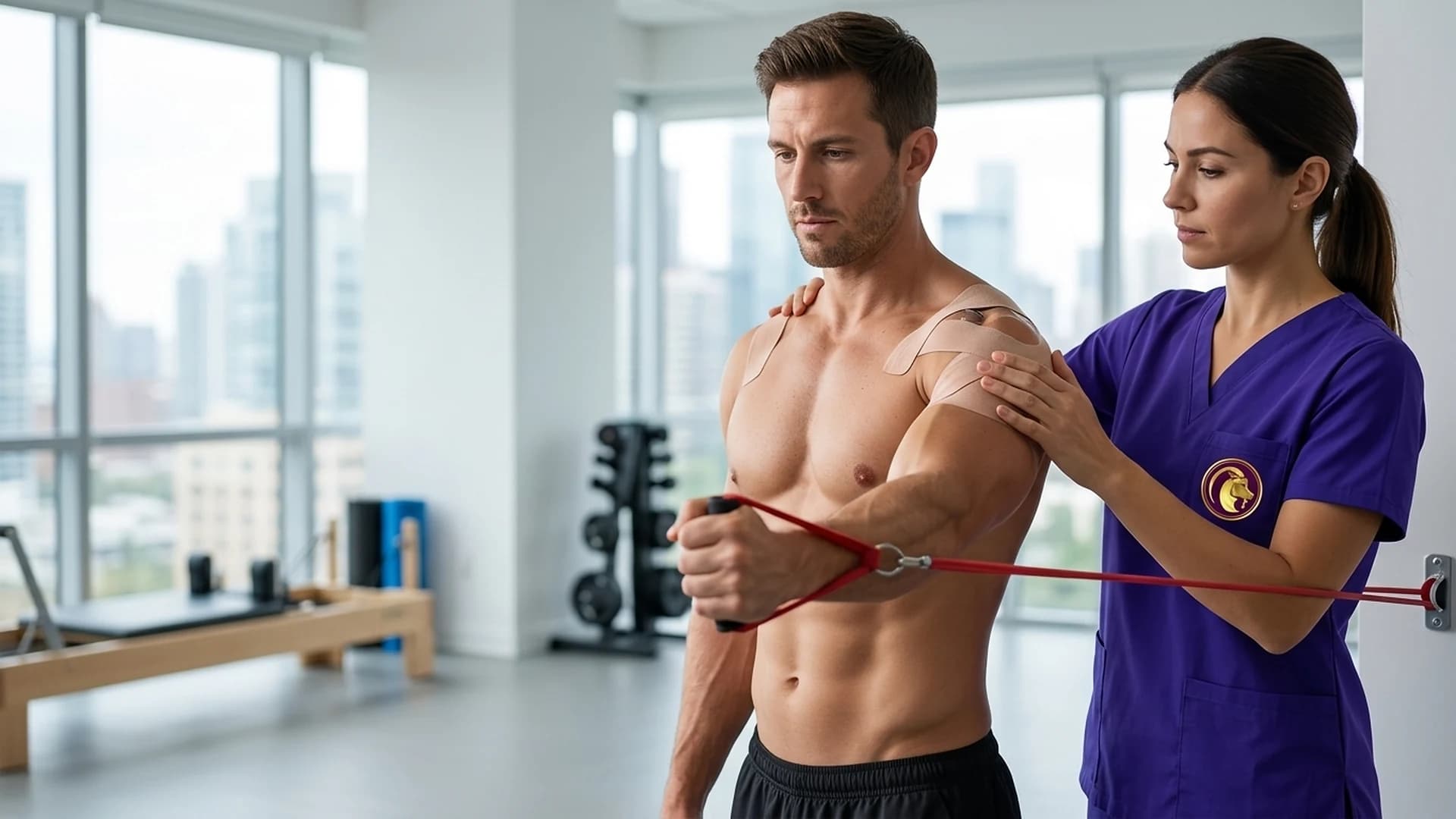
At Aries PhysioCare, our physical therapists implement clinician-administered rehabilitation protocols:
- Mechanical Diagnosis and Therapy (MDT / McKenzie Cervical Assessment) to establish directional preference and drive rapid symptom reduction
- Maitland manual therapy: Gentle Grade I-III oscillatory mobilizations of restricted cervical motion segments to restore facet joint arthrokinematics
- Mulligan Mobilization with Movement (NAGs and SNAGs) to facilitate pain-free active rotation and extension
- Clinical electrotherapy: Calibrated Interferential Therapy (IFT) and Class-IV Deep Tissue Laser Therapy to alleviate acute muscular hypertonicity and promote microvascular perfusion
- Deep cervical flexor motor retraining using a stabilizer pressure biofeedback unit under direct therapist monitoring
- Scapulothoracic neuromuscular re-education to correct compensatory upper trapezius dominance and optimize shoulder girdle support
Home Care & Ergonomic Strategies
Supporting recovery through evidence-based ergonomic habits and self-care:
- Configure computer workstations so the monitor's top third aligns with eye level, preventing forward head tilt
- Practice scheduled postural resets: Break sustained sitting every 30 to 45 minutes to alter gravitational loading
- Utilize a contoured orthopedic cervical pillow that maintains neutral cervical lordosis in both side-lying and supine sleep positions
- Apply thermal contrast therapy: Moist heat applications for 15 minutes to relieve paraspinal stiffness, followed by localized cryotherapy if acute inflammation is present
- Avoid carrying heavy asymmetric shoulder bags or resting telephones between the ear and shoulder
- Refrain from aggressive self-manipulation or unsupervised rotational neck cracking, which can destabilize facet capsules
When to Contact Us
Do not allow chronic cervical stiffness to limit your daily life. Contact Aries PhysioCare today to schedule a comprehensive in-home or clinic-based cervical spine evaluation with our certified musculoskeletal physiotherapists.