UnderstandingPost-Stroke Neuro Rehabilitation
Stroke neuro-rehabilitation is an evidence-based clinical discipline focused on stimulating neuroplasticity, restoring motor control, retraining functional gait, and maximizing independence following ischemic or hemorrhagic stroke.
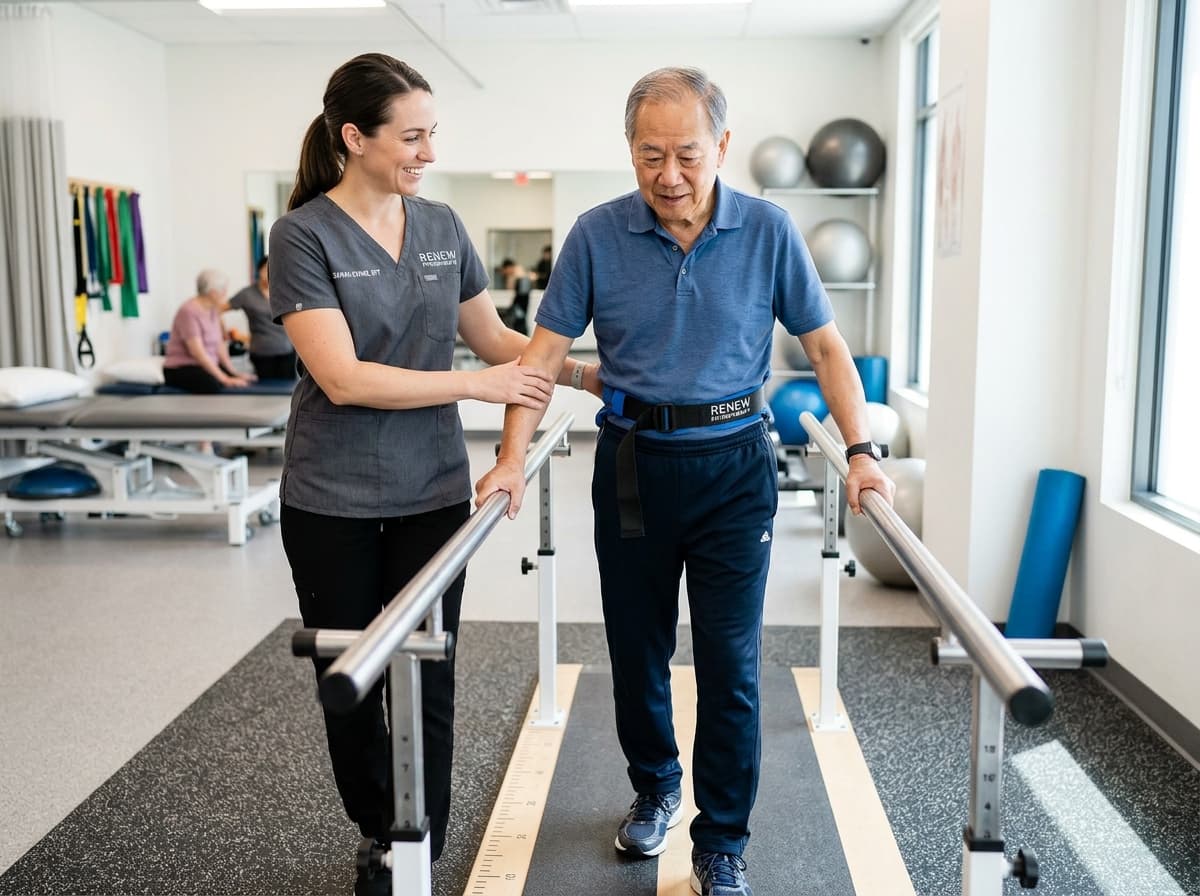
Clinical Perspective
Stroke neuro-rehabilitation is an evidence-based clinical discipline focused on stimulating neuroplasticity, restoring motor control, retraining functional gait, and maximizing independence following ischemic or hemorrhagic stroke.
Medically reviewed by Dr. Kajal Vora, PT, MPT (Neurology), BPT, MIAP (Senior Consultant Physiotherapist & Clinical Director). Our multi-stage recovery protocols are personalized to address tissue healing phases, functional restoration, and preventive kinetic chain re-education directly in your home.
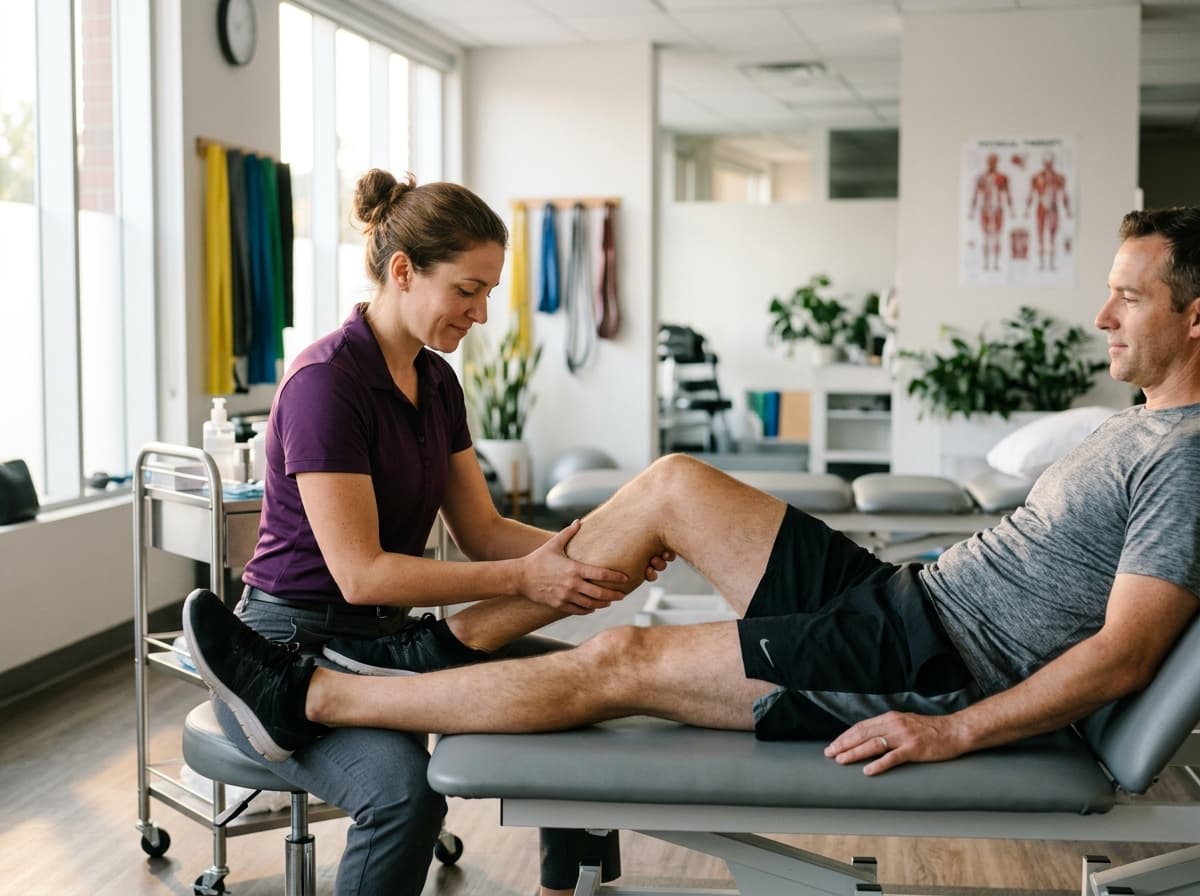
PROBABLE ROOT CAUSES
Identifying the clinical triggers and biomechanical strain patterns behind Post-Stroke Neuro Rehabilitation.
Cerebral ischemia due to arterial thrombosis or embolism
Clinical biomechanical and physiological factor associated with Post-Stroke Neuro Rehabilitation.
Intracerebral hemorrhage causing neural tissue compression and necrosis
Clinical biomechanical and physiological factor associated with Post-Stroke Neuro Rehabilitation.
The Aries Expert Scan
More than a quick look — a deeper understanding
Our clinical specialists conduct thorough biomechanical assessment, palpation, and functional movement screening for Post-Stroke Neuro Rehabilitation to formulate a patient-centric recovery pathway.
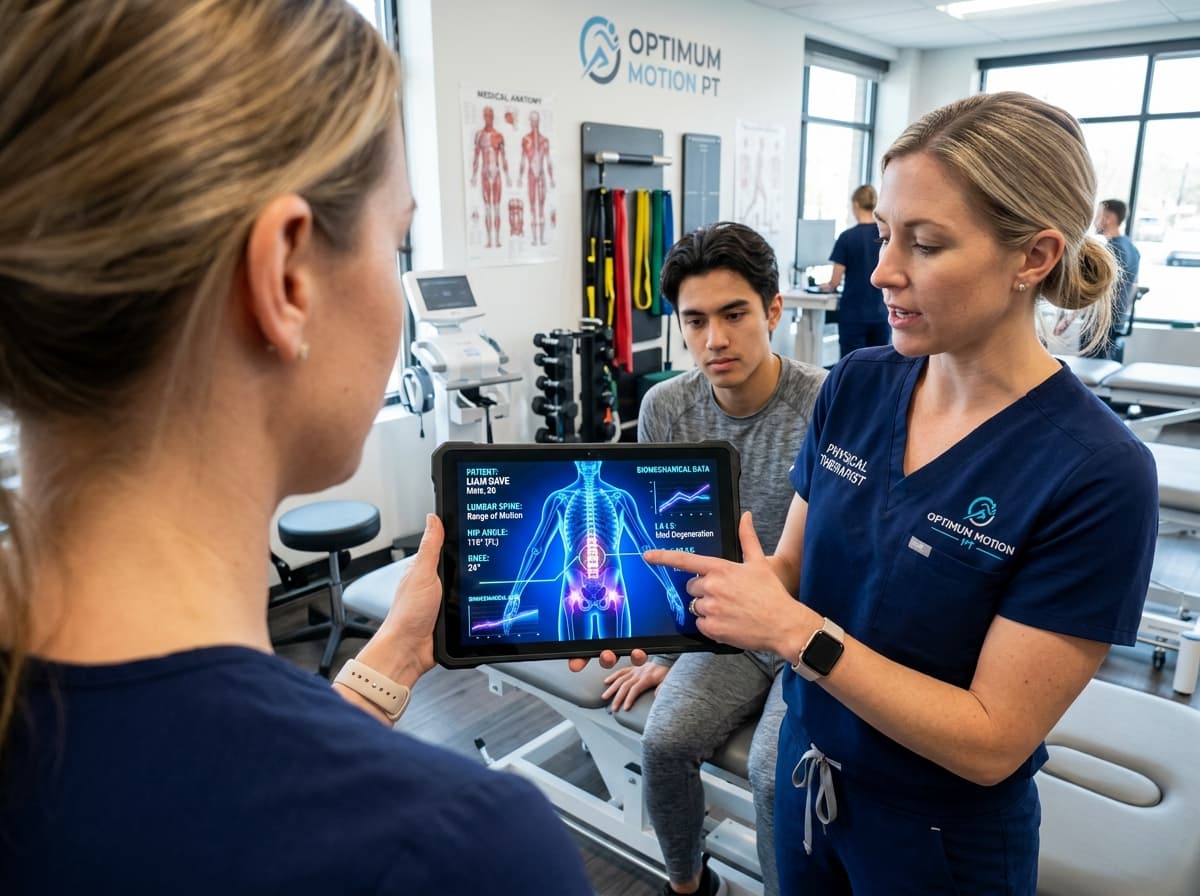
RECOVERY STRATEGIES
We tailor treatment to your needs using a combination of evidence-based clinical techniques.
Acute Stage: Bed Mobility & Spasticity Management
Inhibitory positioning, passive range of motion, and sensory re-education to prevent contractures. Modalities: Bobath Neuro-Facilitation, Proper Anti-Spastic Positioning, Passive Joint Mobilization.
Sub-Acute Stage: Motor Re-Education & Trunk Control
Weight-bearing exercises, sit-to-stand transitions, and Task-Oriented Training. Modalities: Proprioceptive Neuromuscular Facilitation (PNF), Trunk Weight Shifts, Functional Reach Drills.
Chronic Stage: Overground Gait Retraining & Community Independence
High-repetition functional locomotion training and adaptive assistive device prescription. Modalities: Supported Ambulation, Stair Climbing Retraining, Constraint-Induced Movement Therapy.
When to Seek Clinical Intervention
Clinical intervention is strongly advised if symptoms of Post-Stroke Neuro Rehabilitation are progressive, severe, or accompanied by neurological red flags, persistent nighttime pain, or restricted functional mobility.
OUTCOME-DRIVEN BENEFITS
Improved movement. A healthier, more active you.
Sustainable pain reduction
Addressing mechanical root causes rather than temporary masking.
Restored functional mobility
Regain full range of movement for work, sport, and family life.
Reduced reliance on pain medications
Evidence-based non-pharmacological physical therapy rehabilitation.
Enhanced movement confidence
Overcome fear-avoidance beliefs with guided progressive strengthening.
Post-Stroke Neuro Rehabilitation Treatment Insights
Clear clinical answers regarding diagnosis, home physiotherapy protocols, and recovery expectations for Post-Stroke Neuro Rehabilitation.
Stop Managing.
Start Recovering.
Our clinical team specializes in addressing the root causes of Post-Stroke Neuro Rehabilitation with personalized, evidence-based home visit physiotherapy.