UnderstandingTotal Knee Replacement (TKR) Rehabilitation
Post-operative rehabilitation following Total Knee Arthroplasty (TKR) is essential for restoring knee joint extension and flexion, regaining quadriceps strength, and re-establishing safe, independent gait.
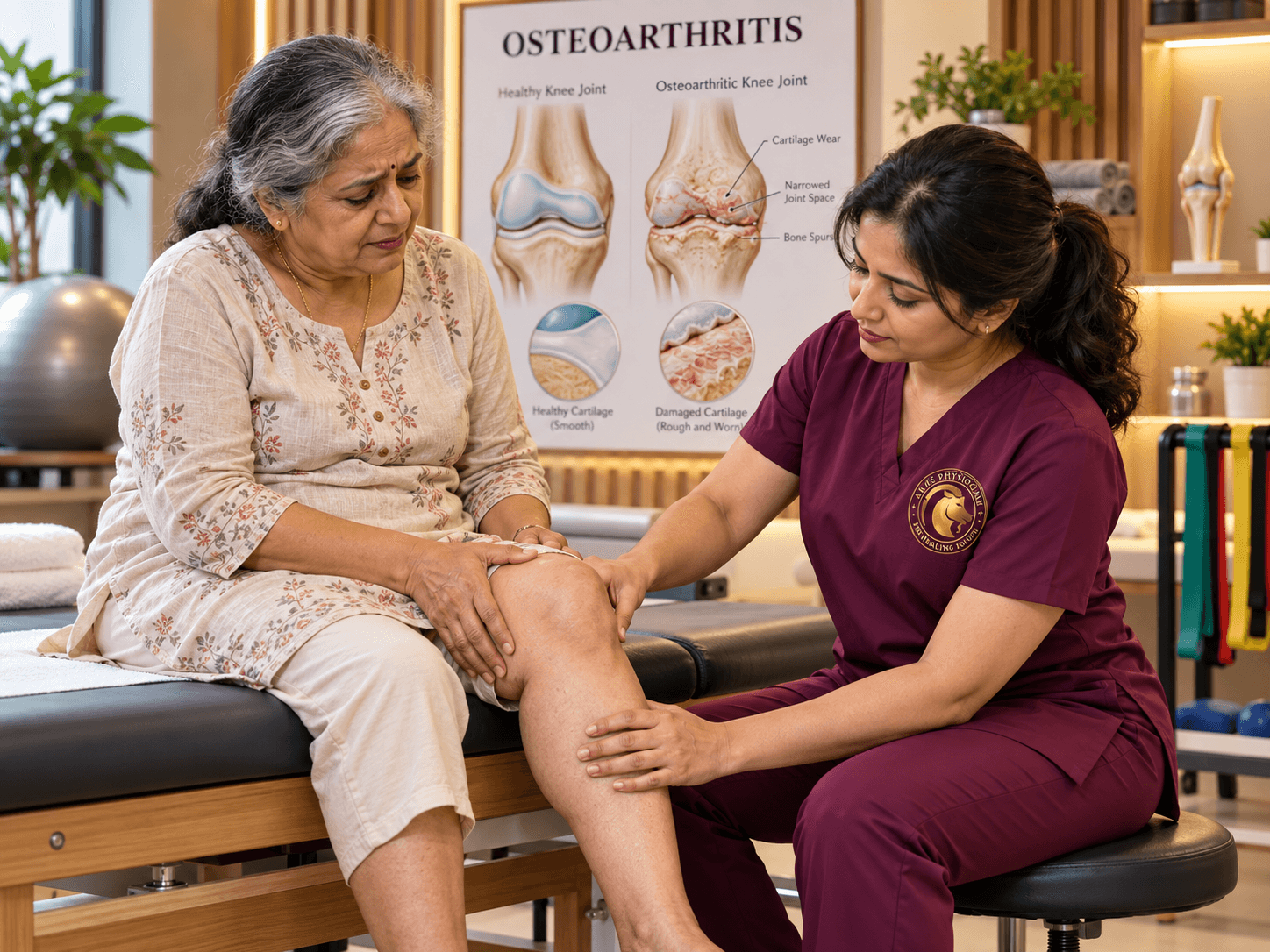
Clinical Perspective
Post-operative rehabilitation following Total Knee Arthroplasty (TKR) is essential for restoring knee joint extension and flexion, regaining quadriceps strength, and re-establishing safe, independent gait.
Medically reviewed by Dr. Kajal Vora, PT, MPT (Neurology), BPT, MIAP (Senior Consultant Physiotherapist & Clinical Director). Our multi-stage recovery protocols are personalized to address tissue healing phases, functional restoration, and preventive kinetic chain re-education directly in your home.
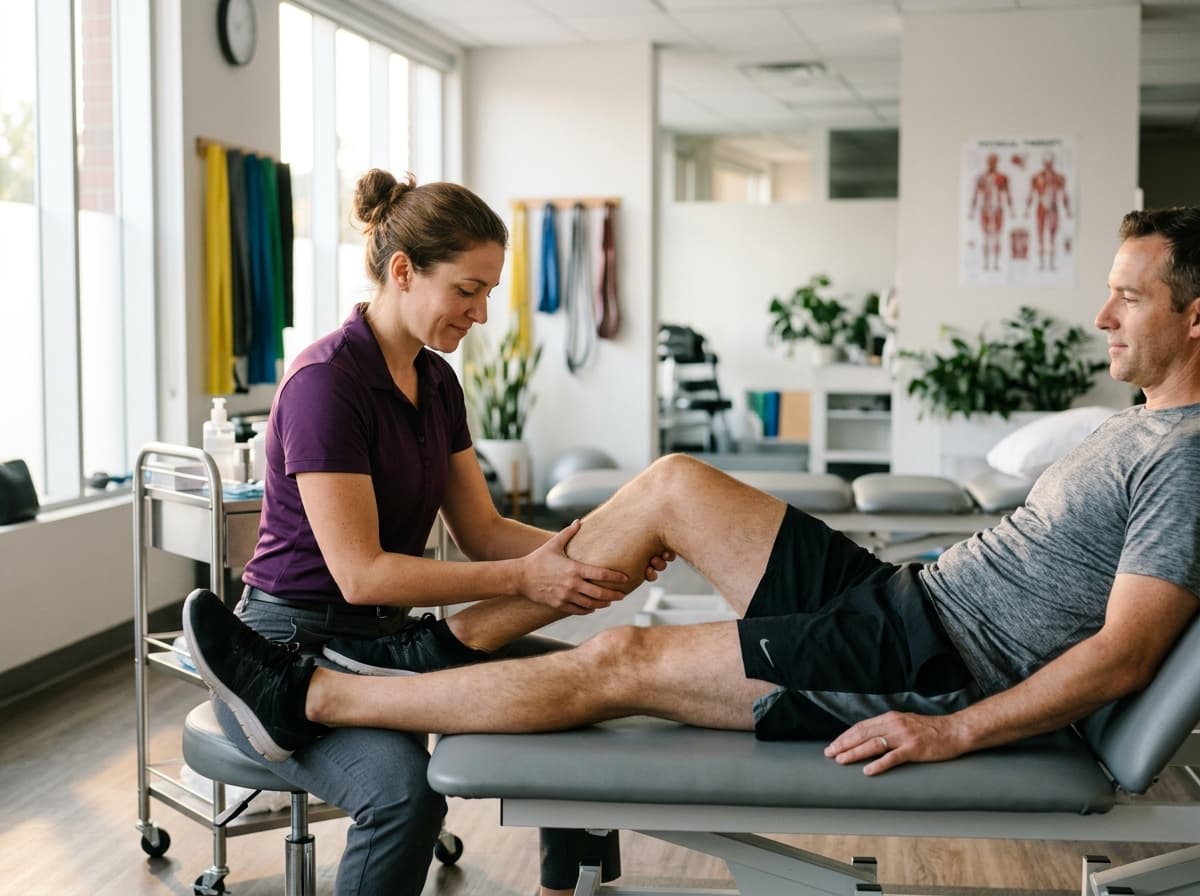
PROBABLE ROOT CAUSES
Identifying the clinical triggers and biomechanical strain patterns behind Total Knee Replacement (TKR) Rehabilitation.
Surgical trauma and periarticular swelling following joint replacement for advanced knee osteoarthritis
Clinical biomechanical and physiological factor associated with Total Knee Replacement (TKR) Rehabilitation.
The Aries Expert Scan
More than a quick look — a deeper understanding
Our clinical specialists conduct thorough biomechanical assessment, palpation, and functional movement screening for Total Knee Replacement (TKR) Rehabilitation to formulate a patient-centric recovery pathway.
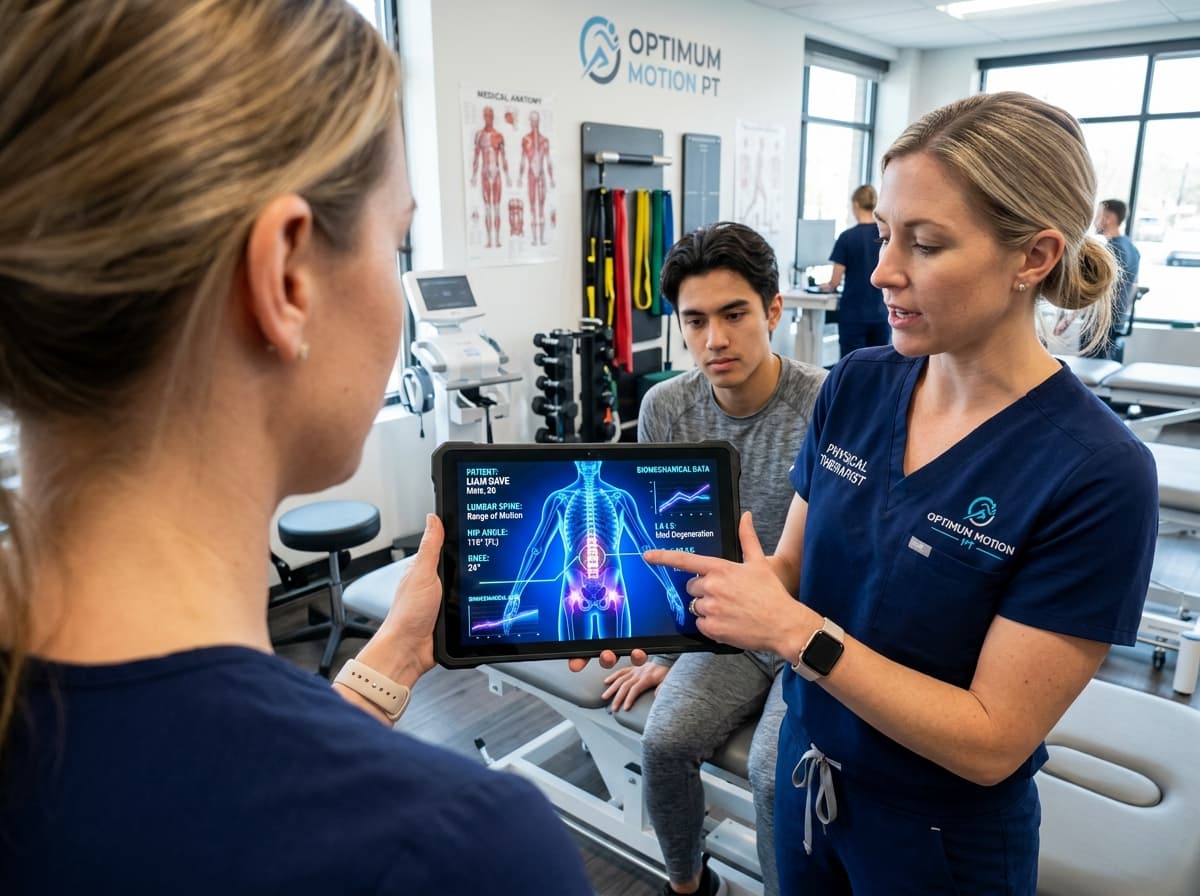
RECOVERY STRATEGIES
We tailor treatment to your needs using a combination of evidence-based clinical techniques.
Weeks 1-2: Swelling Control & Full Extension Restoration
Aggressive focus on achieving 0-degree full knee extension and passive flexion to 90 degrees. Modalities: Cryo-Compression Therapy, Ankle Pumps, Isometric Quadriceps Sets, Heel Slides.
Weeks 3-6: Flexion Progression & Independent Ambulation
Progressing flexion beyond 110 degrees, active closed-kinetic-chain strengthening, and walker weaning. Modalities: Mini-Squats, Step-Ups, Static Cycling (Zero Resistance), Gait Mechanic Drills.
Weeks 7-12: Full Functional Return & Endurance
Advanced neuromuscular stability, stair climbing mastery, and outdoor walking confidence. Modalities: Single-Leg Balance Exercises, Resistance Band Hamstring Drills, Endurance Walking.
When to Seek Clinical Intervention
Clinical intervention is strongly advised if symptoms of Total Knee Replacement (TKR) Rehabilitation are progressive, severe, or accompanied by neurological red flags, persistent nighttime pain, or restricted functional mobility.
OUTCOME-DRIVEN BENEFITS
Improved movement. A healthier, more active you.
Sustainable pain reduction
Addressing mechanical root causes rather than temporary masking.
Restored functional mobility
Regain full range of movement for work, sport, and family life.
Reduced reliance on pain medications
Evidence-based non-pharmacological physical therapy rehabilitation.
Enhanced movement confidence
Overcome fear-avoidance beliefs with guided progressive strengthening.
Total Knee Replacement (TKR) Rehabilitation Treatment Insights
Clear clinical answers regarding diagnosis, home physiotherapy protocols, and recovery expectations for Total Knee Replacement (TKR) Rehabilitation.
Stop Managing.
Start Recovering.
Our clinical team specializes in addressing the root causes of Total Knee Replacement (TKR) Rehabilitation with personalized, evidence-based home visit physiotherapy.