UnderstandingTarsal Tunnel Syndrome (TTS) Management
Tarsal Tunnel Syndrome is a focal entrapment neuropathy caused by mechanical compression of the posterior tibial nerve or its branches (medial and lateral plantar nerves) beneath the flexor retinaculum on the medial aspect of the ankle. Targeted physical therapy decompresses the fibro-osseous canal, corrects hindfoot biomechanics, and mobilizes neural tissues.
Clinical Perspective
Tarsal Tunnel Syndrome is a focal entrapment neuropathy caused by mechanical compression of the posterior tibial nerve or its branches (medial and lateral plantar nerves) beneath the flexor retinaculum on the medial aspect of the ankle. Targeted physical therapy decompresses the fibro-osseous canal, corrects hindfoot biomechanics, and mobilizes neural tissues.
Medically reviewed by Dr. Kajal Vora, PT, MPT (Neurology), BPT, MIAP (Senior Consultant Physiotherapist & Clinical Director). Our multi-stage recovery protocols are personalized to address tissue healing phases, functional restoration, and preventive kinetic chain re-education directly in your home.

PROBABLE ROOT CAUSES
Identifying the clinical triggers and biomechanical strain patterns behind Tarsal Tunnel Syndrome (TTS) Management.
Excessive subtalar pronation and pes planus (flat feet) causing neural stretch traction
Clinical biomechanical and physiological factor associated with Tarsal Tunnel Syndrome (TTS) Management.
Post
traumatic fibrosis and scar tissue formation following ankle sprains or malleolar fractures
Space
occupying lesions such as ganglion cysts, varicose veins, or flexor tendon tenosynovitis
Systemic fluid retention (pregnancy, hypothyroidism, renal insufficiency)
Clinical biomechanical and physiological factor associated with Tarsal Tunnel Syndrome (TTS) Management.
The Aries Expert Scan
More than a quick look — a deeper understanding
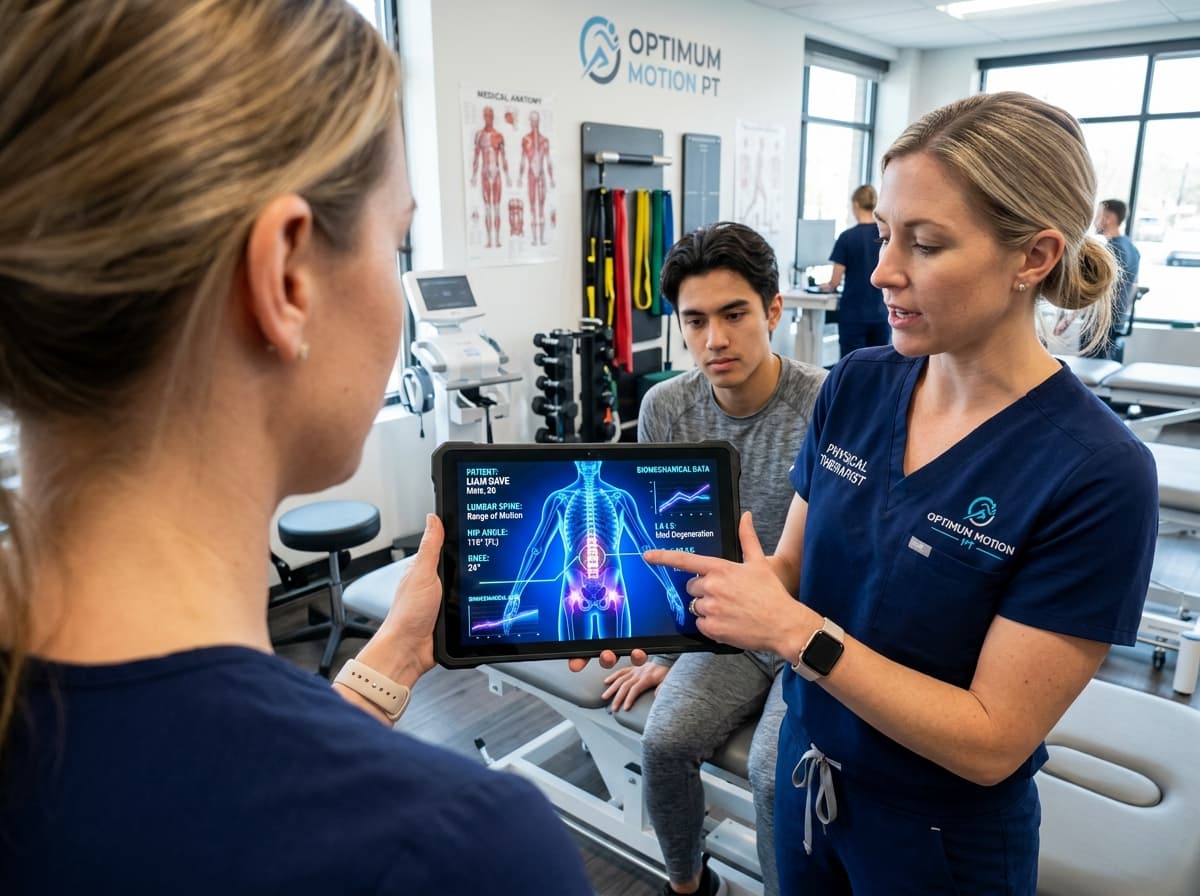
Our clinical specialists conduct thorough biomechanical assessment, palpation, and functional movement screening for Tarsal Tunnel Syndrome (TTS) Management to formulate a patient-centric recovery pathway.
RECOVERY STRATEGIES
We tailor treatment to your needs using a combination of evidence-based clinical techniques.
Phase 1: Neural Decompression & Anti-Inflammatory Care
Reducing canal pressure through gentle unloaded positioning, anti-inflammatory modalities, and temporary biomechanical medial arch unloading. Modalities: Targeted Ultrasound Therapy, Cryo-Compression, Custom Arch Taping, Gentle Unloaded Active Ankle Pumps.
Phase 2: Tibial Nerve Mobilization & Soft Tissue Release
Graded neural tension gliding (dorsiflexion-eversion flossing), deep flexor retinaculum myofascial release, and gastroc-soleus flexibility restoration. Modalities: Tibial Nerve Gliding Drills, Myofascial Release of Deep Calf, Stretching of the Flexor Hallucis Longus, IFT for Neural Desensitization.
Phase 3: Biomechanical Kinetic Correction & Strengthening
Strengthening the posterior tibialis and intrinsic foot musculature to maintain the medial longitudinal arch and prevent chronic nerve tethering. Modalities: Short-Foot Intrinsic Muscle Activation, Towel Curls & Marble Pickups, Eccentric Tibialis Posterior Loading, Custom Orthotic Advice.
When to Seek Clinical Intervention
Clinical intervention is strongly advised if symptoms of Tarsal Tunnel Syndrome (TTS) Management are progressive, severe, or accompanied by neurological red flags, persistent nighttime pain, or restricted functional mobility.
OUTCOME-DRIVEN BENEFITS
Improved movement. A healthier, more active you.
Sustainable pain reduction
Addressing mechanical root causes rather than temporary masking.
Restored functional mobility
Regain full range of movement for work, sport, and family life.
Reduced reliance on pain medications
Evidence-based non-pharmacological physical therapy rehabilitation.
Enhanced movement confidence
Overcome fear-avoidance beliefs with guided progressive strengthening.
Tarsal Tunnel Syndrome (TTS) Management Treatment Insights
Clear clinical answers regarding diagnosis, home physiotherapy protocols, and recovery expectations for Tarsal Tunnel Syndrome (TTS) Management.
Stop Managing.
Start Recovering.
Our clinical team specializes in addressing the root causes of Tarsal Tunnel Syndrome (TTS) Management with personalized, evidence-based home visit physiotherapy.