UnderstandingPosterior Tibial Tendon Dysfunction (PTTD) Care
Posterior Tibial Tendon Dysfunction (PTTD), the most common cause of adult-acquired flatfoot deformity, is a progressive degeneration of the primary dynamic stabilizer of the medial longitudinal arch. Structured early-stage physical therapy restores tendon load capacity, re-aligns hindfoot mechanics, and prevents permanent structural collapse.
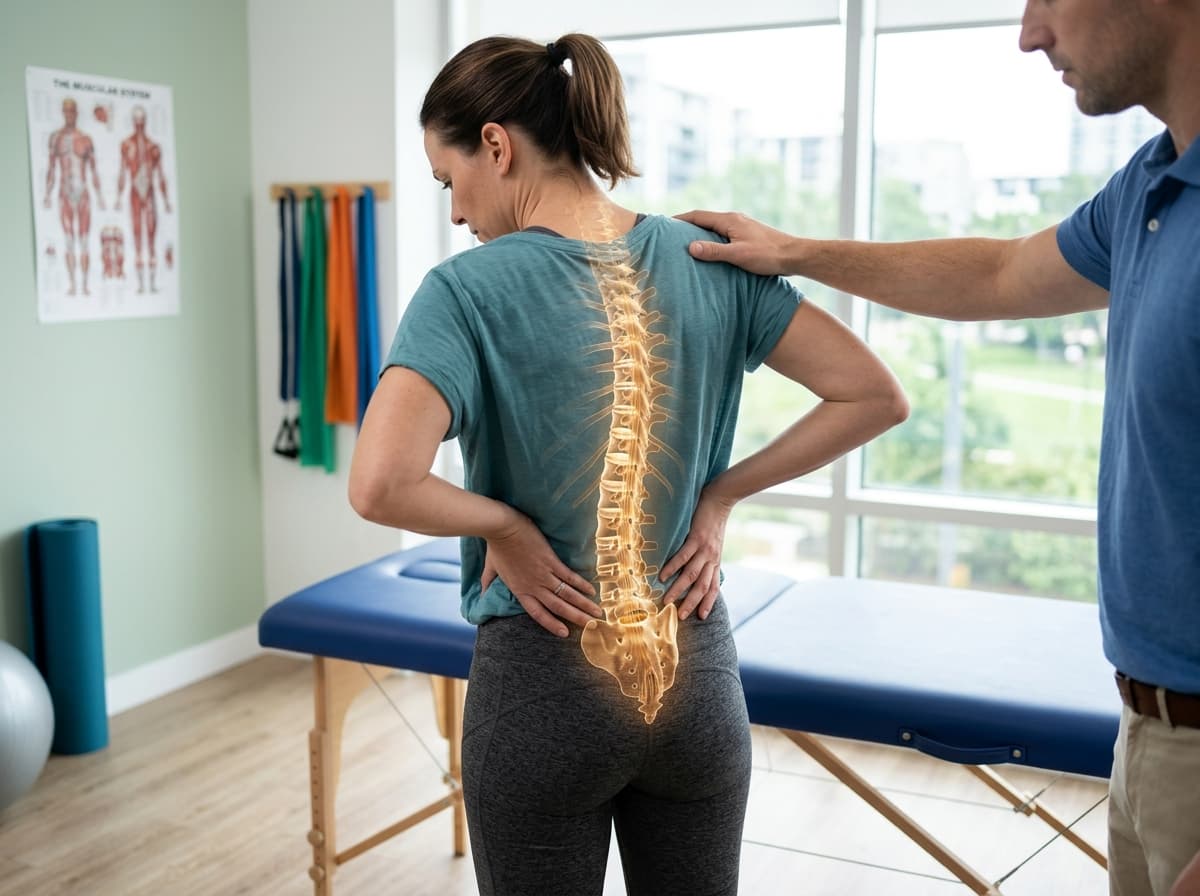
Clinical Perspective
Posterior Tibial Tendon Dysfunction (PTTD), the most common cause of adult-acquired flatfoot deformity, is a progressive degeneration of the primary dynamic stabilizer of the medial longitudinal arch. Structured early-stage physical therapy restores tendon load capacity, re-aligns hindfoot mechanics, and prevents permanent structural collapse.
Medically reviewed by Dr. Kajal Vora, PT, MPT (Neurology), BPT, MIAP (Senior Consultant Physiotherapist & Clinical Director). Our multi-stage recovery protocols are personalized to address tissue healing phases, functional restoration, and preventive kinetic chain re-education directly in your home.
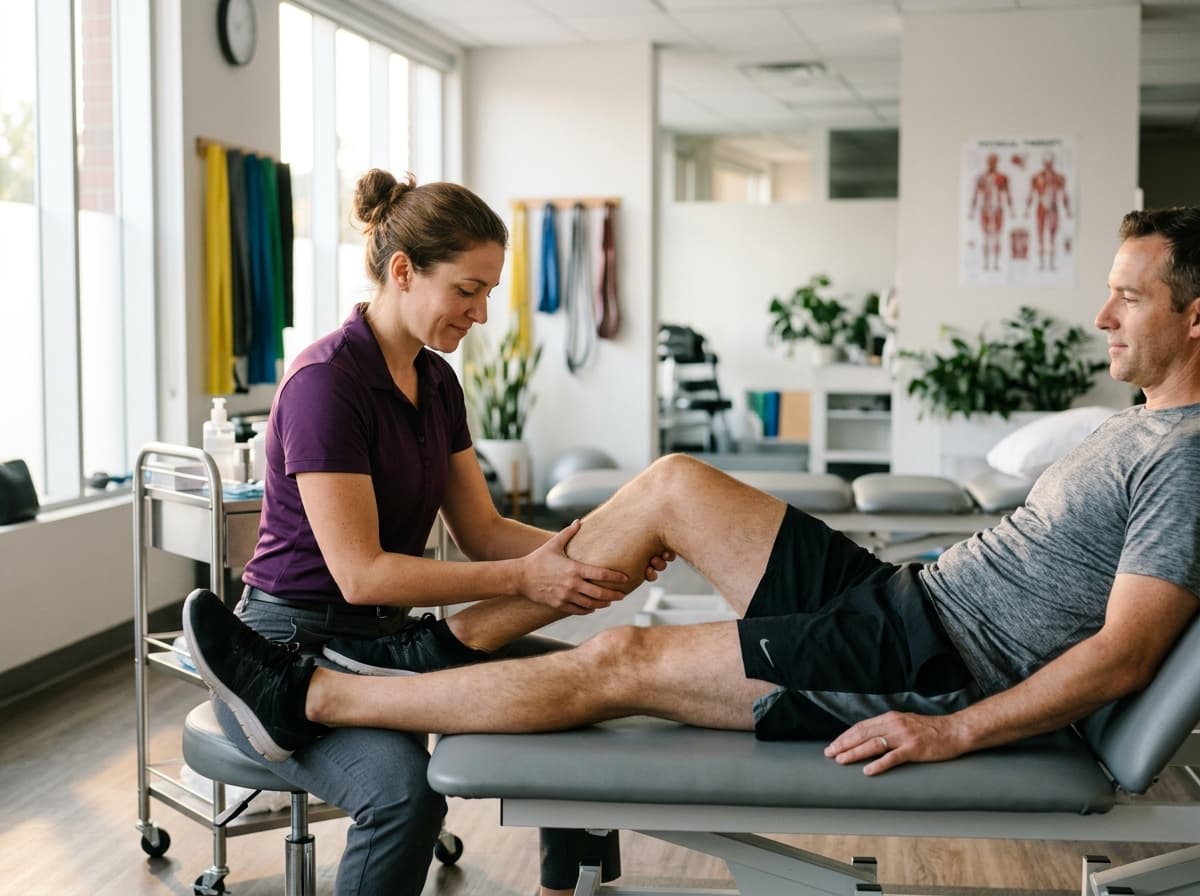
PROBABLE ROOT CAUSES
Identifying the clinical triggers and biomechanical strain patterns behind Posterior Tibial Tendon Dysfunction (PTTD) Care.
Repetitive tensile overload and micro
trauma exceeding the collagenous repair capacity of the tendon
Vascular watershed hypoperfusion in the tendon region immediately behind the medial malleolus
Clinical biomechanical and physiological factor associated with Posterior Tibial Tendon Dysfunction (PTTD) Care.
Pre
existing structural flatfoot, obesity, or prolonged high impact standing on hard surfaces
Systemic inflammatory conditions, hypertension, or diabetes mellitus
Clinical biomechanical and physiological factor associated with Posterior Tibial Tendon Dysfunction (PTTD) Care.
The Aries Expert Scan
More than a quick look — a deeper understanding
Our clinical specialists conduct thorough biomechanical assessment, palpation, and functional movement screening for Posterior Tibial Tendon Dysfunction (PTTD) Care to formulate a patient-centric recovery pathway.
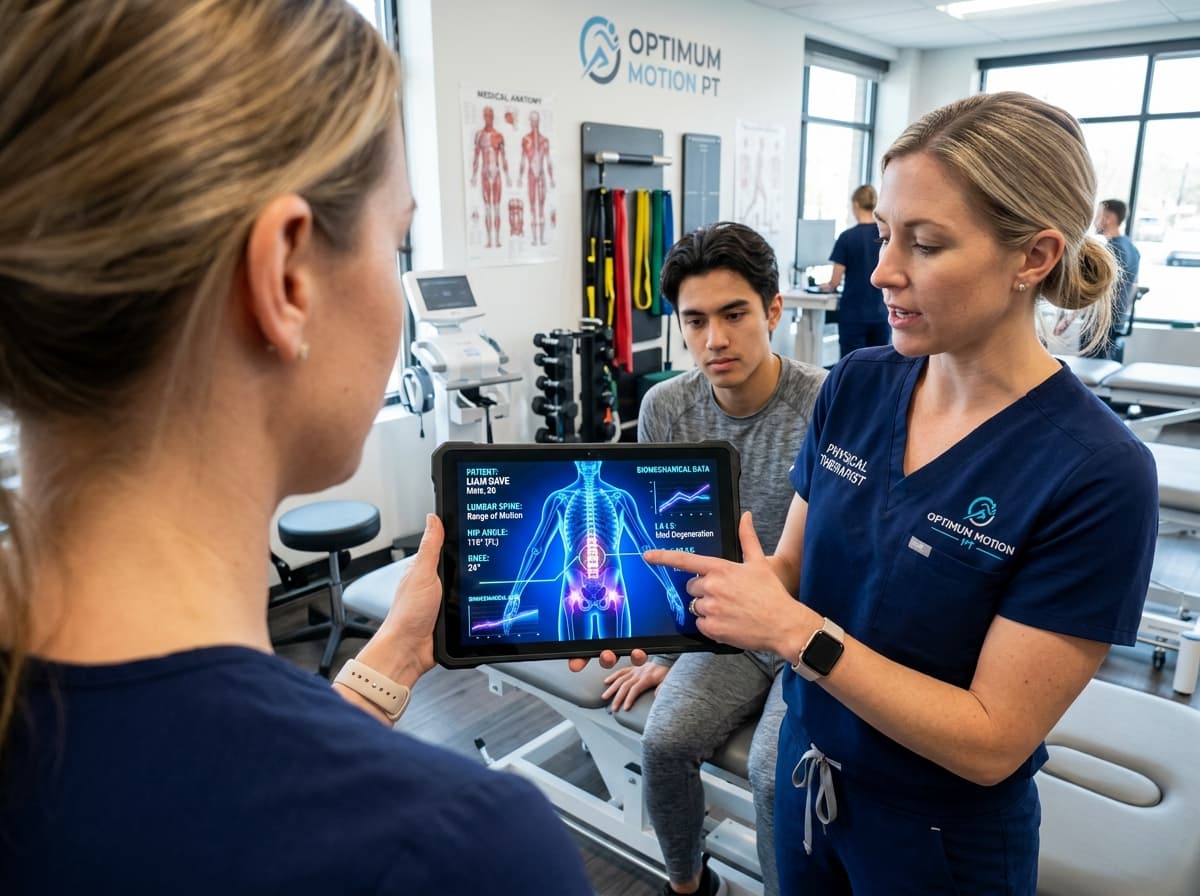
RECOVERY STRATEGIES
We tailor treatment to your needs using a combination of evidence-based clinical techniques.
Phase 1: Tendon Unloading & Inflammation Control
Alleviating tensile strain through medial arch taping, custom orthotics, ice application, and gentle isometric tendon firing. Modalities: Therapeutic Ultrasound, Cryo-Compression, Low-Dye Arch Taping, Seated Resisted Inversion Isometrics.
Phase 2: Progressive Eccentric Tendon Loading
Controlled eccentric-concentric strengthening of the posterior tibialis muscle and gastroc-soleus complex using progressive resistance. Modalities: Bilateral to Unilateral Heel Raises with Adduction Squeeze, Theraband Resisted Foot Adduction, Subtalar Joint Mobilization.
Phase 3: Functional Arch Restoration & Kinetic Chain Alignment
Dynamic balance training, hip abductor and core strengthening to eliminate valgus collapse during ambulation. Modalities: Short-Foot Domed Arch Exercises, Single-Leg Balance on Foam, Gluteus Medius Strengthening Drills.
When to Seek Clinical Intervention
Clinical intervention is strongly advised if symptoms of Posterior Tibial Tendon Dysfunction (PTTD) Care are progressive, severe, or accompanied by neurological red flags, persistent nighttime pain, or restricted functional mobility.
OUTCOME-DRIVEN BENEFITS
Improved movement. A healthier, more active you.
Sustainable pain reduction
Addressing mechanical root causes rather than temporary masking.
Restored functional mobility
Regain full range of movement for work, sport, and family life.
Reduced reliance on pain medications
Evidence-based non-pharmacological physical therapy rehabilitation.
Enhanced movement confidence
Overcome fear-avoidance beliefs with guided progressive strengthening.
Posterior Tibial Tendon Dysfunction (PTTD) Care Treatment Insights
Clear clinical answers regarding diagnosis, home physiotherapy protocols, and recovery expectations for Posterior Tibial Tendon Dysfunction (PTTD) Care.
Stop Managing.
Start Recovering.
Our clinical team specializes in addressing the root causes of Posterior Tibial Tendon Dysfunction (PTTD) Care with personalized, evidence-based home visit physiotherapy.