UnderstandingCervical Spondylosis Neck Rehabilitation
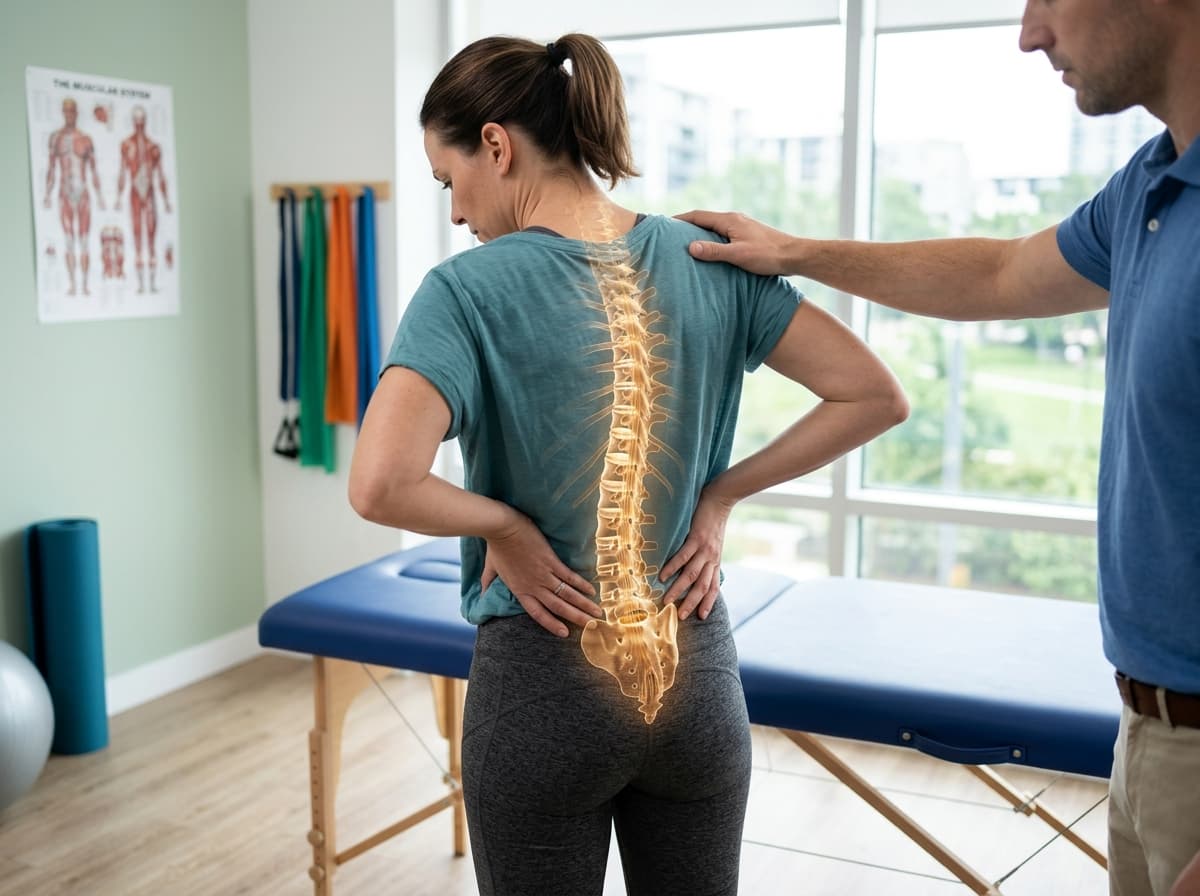
Cervical spondylosis is a chronic degenerative condition of the cervical spine characterized by intervertebral disc degeneration, subchondral sclerosis, and osteophytic spurs. It frequently causes neck stiffness, cervicogenic headaches, and radiating radicular tingling. Physical therapy restores cervical lordosis, unloads impinged nerve roots, and strengthens deep neck flexors.
Clinical Perspective
Cervical spondylosis is a chronic degenerative condition of the cervical spine characterized by intervertebral disc degeneration, subchondral sclerosis, and osteophytic spurs. It frequently causes neck stiffness, cervicogenic headaches, and radiating radicular tingling. Physical therapy restores cervical lordosis, unloads impinged nerve roots, and strengthens deep neck flexors.
Medically reviewed by Dr. Kajal Vora, PT, MPT (Neurology), BPT, MIAP (Senior Consultant Physiotherapist & Clinical Director). Our multi-stage recovery protocols are personalized to address tissue healing phases, functional restoration, and preventive kinetic chain re-education directly in your home.
PROBABLE ROOT CAUSES
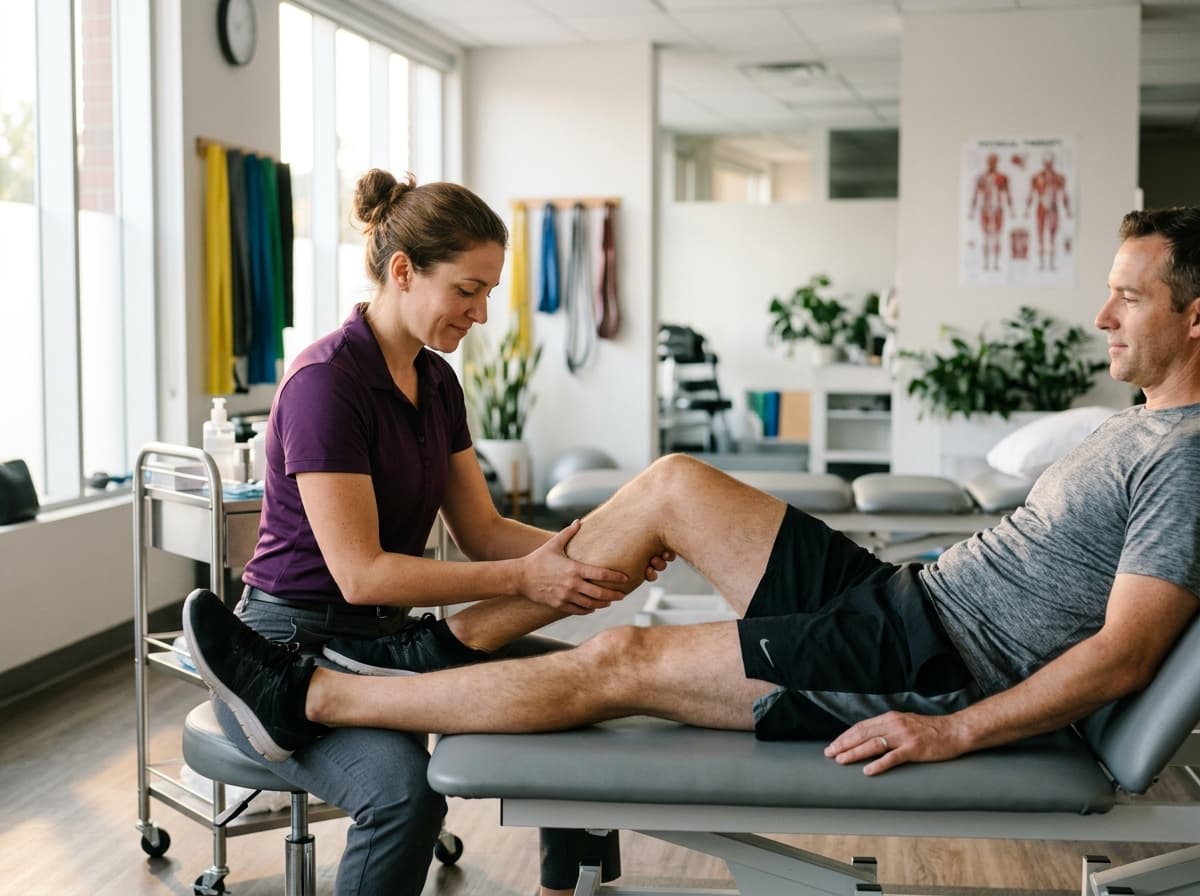
Identifying the clinical triggers and biomechanical strain patterns behind Cervical Spondylosis Neck Rehabilitation.
Chronic "Tech Neck" posture (prolonged forward head posture viewing smartphones or monitors)
Clinical biomechanical and physiological factor associated with Cervical Spondylosis Neck Rehabilitation.
Age
related dehydration and thinning of cervical intervertebral discs (C4 C7)
Hypertrophy of the uncovertebral and facet joints narrowing the neuroforaminal canals
Clinical biomechanical and physiological factor associated with Cervical Spondylosis Neck Rehabilitation.
Weakness of deep cervical flexor muscles (longus colli / capitis) with overactive upper trapezii
Clinical biomechanical and physiological factor associated with Cervical Spondylosis Neck Rehabilitation.
The Aries Expert Scan
More than a quick look — a deeper understanding
Our clinical specialists conduct thorough biomechanical assessment, palpation, and functional movement screening for Cervical Spondylosis Neck Rehabilitation to formulate a patient-centric recovery pathway.
RECOVERY STRATEGIES
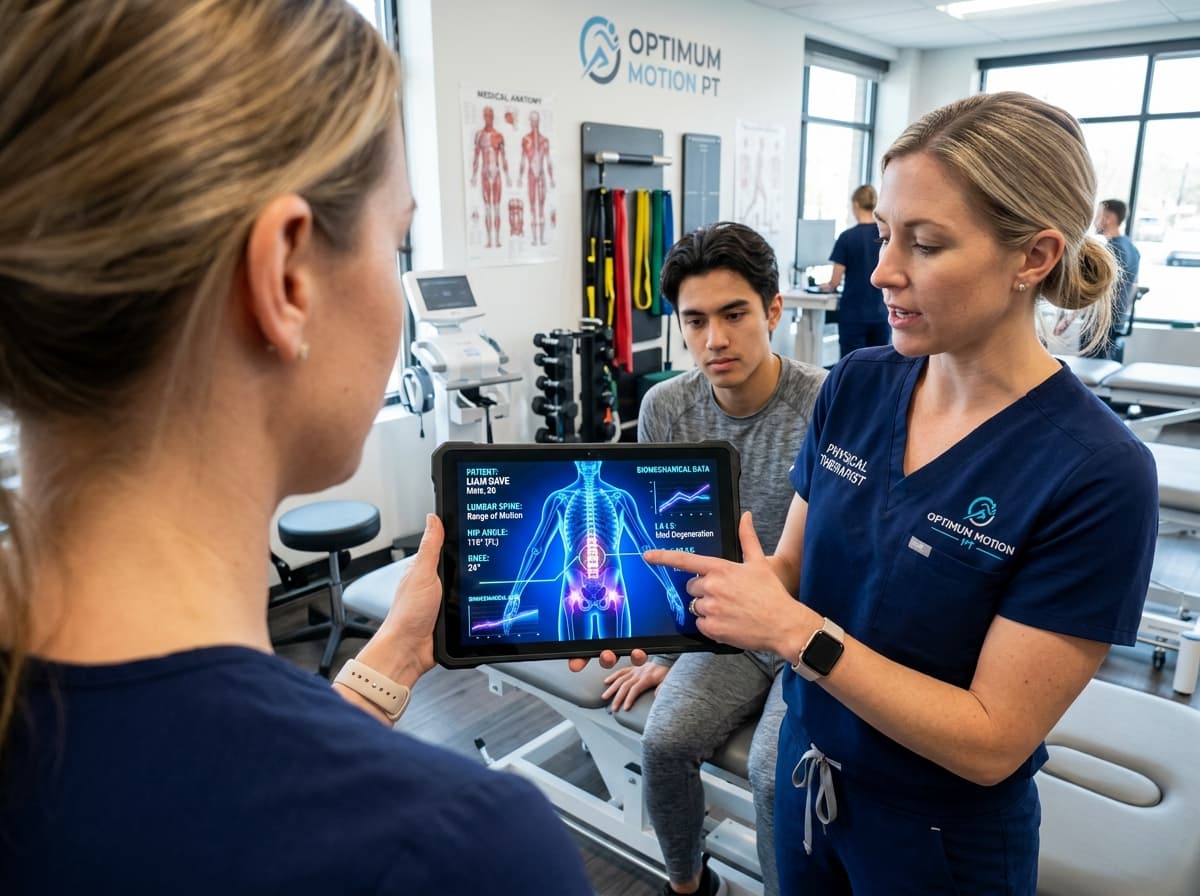
We tailor treatment to your needs using a combination of evidence-based clinical techniques.
Phase 1: Cervical Pain Relief & Gentle Traction
Reducing acute mechanical tension with gentle manual cervical distraction, soothing heat therapy, and suboccipital release. Modalities: Manual Cervical Traction, Interferential Therapy (IFT), Suboccipital Myofascial Release, Gentle Active Range of Motion.
Phase 2: Deep Neck Flexor Activation & Scapular Correction
Targeted chin-tuck exercises to re-activate the longus colli muscles, combined with scapular retraction drills to correct forward head posture. Modalities: Craniocervical Flexion Drills (Pressure Biofeedback), Scapular Squeeze & Retraction, Levator Scapulae & Trapezius Stretching.
Phase 3: Postural Resilience & Ergonomic Integration
Dynamic cervical endurance exercises, thoracic spine extension mobilization, and comprehensive computer display height correction. Modalities: Thoracic Foam Roller Extension, Resisted Isometric Cervical Exercises, Workplace Ergonomic Consultation.
When to Seek Clinical Intervention
Clinical intervention is strongly advised if symptoms of Cervical Spondylosis Neck Rehabilitation are progressive, severe, or accompanied by neurological red flags, persistent nighttime pain, or restricted functional mobility.
OUTCOME-DRIVEN BENEFITS
Improved movement. A healthier, more active you.
Sustainable pain reduction
Addressing mechanical root causes rather than temporary masking.
Restored functional mobility
Regain full range of movement for work, sport, and family life.
Reduced reliance on pain medications
Evidence-based non-pharmacological physical therapy rehabilitation.
Enhanced movement confidence
Overcome fear-avoidance beliefs with guided progressive strengthening.
Cervical Spondylosis Neck Rehabilitation Treatment Insights
Clear clinical answers regarding diagnosis, home physiotherapy protocols, and recovery expectations for Cervical Spondylosis Neck Rehabilitation.
Stop Managing.
Start Recovering.
Our clinical team specializes in addressing the root causes of Cervical Spondylosis Neck Rehabilitation with personalized, evidence-based home visit physiotherapy.