UnderstandingChronic Ankle Instability (CAI) Rehabilitation
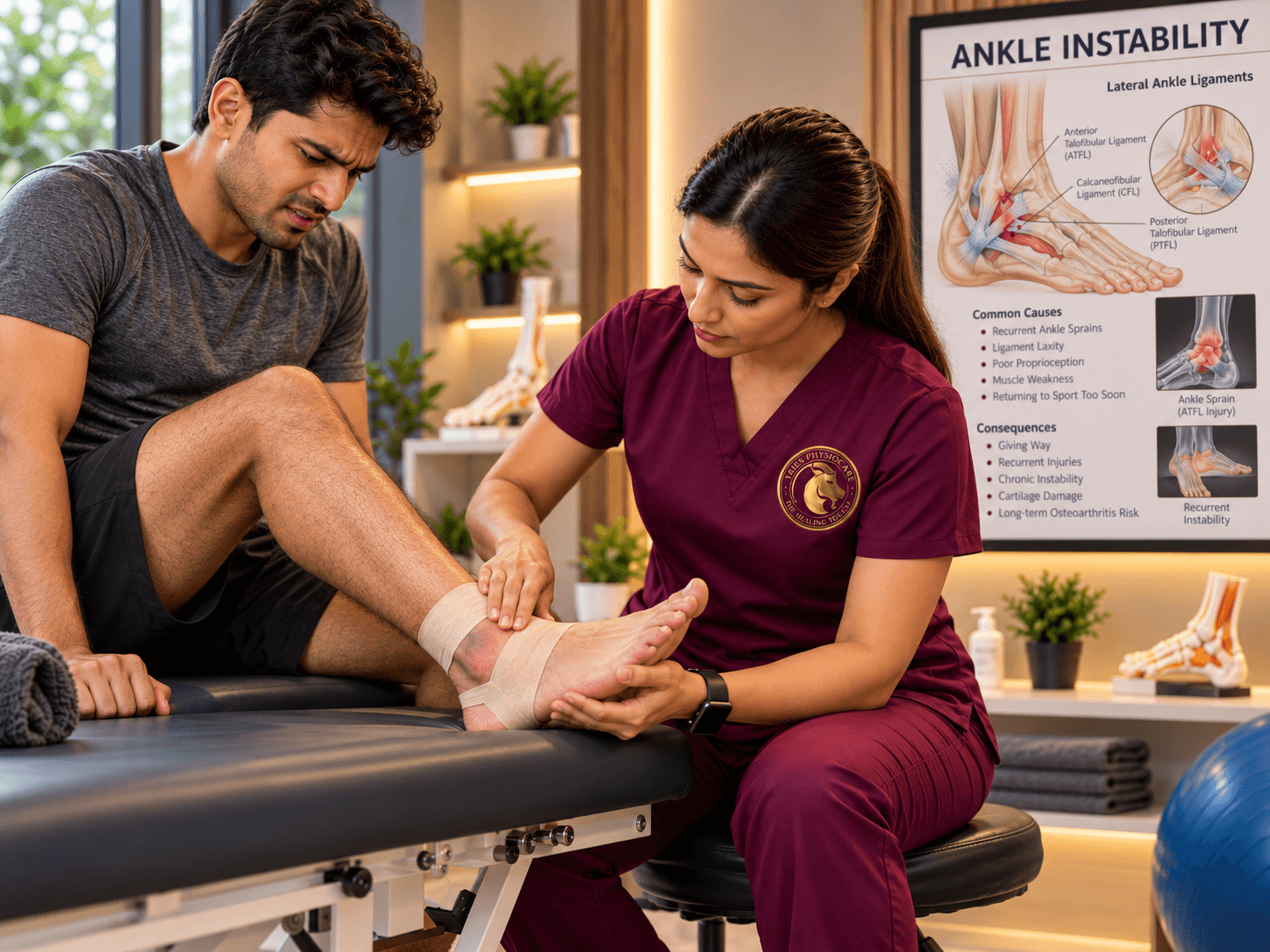
Chronic Ankle Instability (CAI) is characterized by recurrent giving-way episodes, residual pain, and subjective instability lasting more than 6 months after an initial lateral ankle sprain. It stems from a combination of mechanical ligamentous laxity (ATFL/CFL) and sensorimotor functional deficits, requiring targeted neuromuscular rehabilitation.
Clinical Perspective
Chronic Ankle Instability (CAI) is characterized by recurrent giving-way episodes, residual pain, and subjective instability lasting more than 6 months after an initial lateral ankle sprain. It stems from a combination of mechanical ligamentous laxity (ATFL/CFL) and sensorimotor functional deficits, requiring targeted neuromuscular rehabilitation.
Medically reviewed by Dr. Kajal Vora, PT, MPT (Neurology), BPT, MIAP (Senior Consultant Physiotherapist & Clinical Director). Our multi-stage recovery protocols are personalized to address tissue healing phases, functional restoration, and preventive kinetic chain re-education directly in your home.
PROBABLE ROOT CAUSES
Identifying the clinical triggers and biomechanical strain patterns behind Chronic Ankle Instability (CAI) Rehabilitation.
Inadequate or truncated rehabilitation following single or recurrent grade II/III lateral sprains
Clinical biomechanical and physiological factor associated with Chronic Ankle Instability (CAI) Rehabilitation.
Permanent elongation or micro
tearing of the Anterior Talofibular (ATFL) and Calcaneofibular (CFL) ligaments
Impaired ankle mechanoreceptor feedback causing delayed peroneal muscle recruitment
Clinical biomechanical and physiological factor associated with Chronic Ankle Instability (CAI) Rehabilitation.
Underlying subtalar joint hypermobility or cavovarus foot alignment
Clinical biomechanical and physiological factor associated with Chronic Ankle Instability (CAI) Rehabilitation.
The Aries Expert Scan
More than a quick look — a deeper understanding
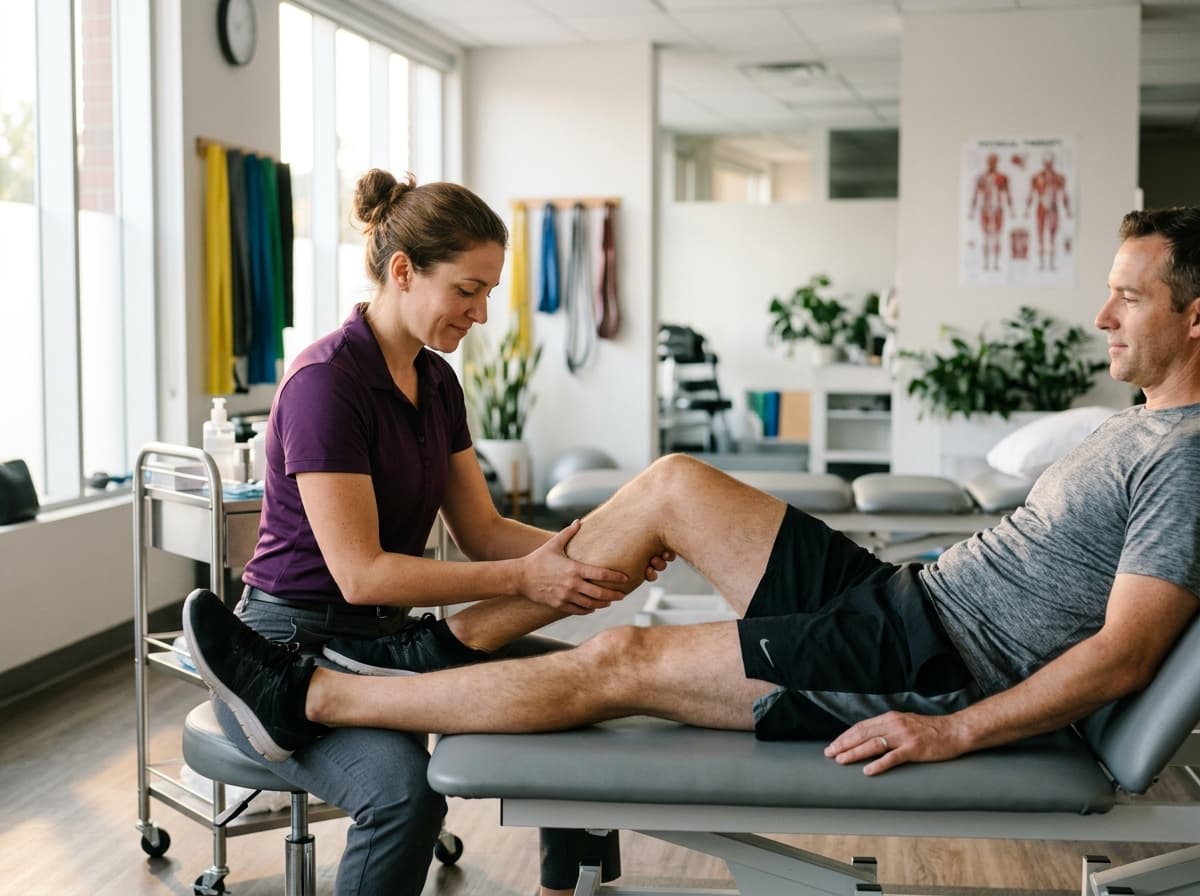
Our clinical specialists conduct thorough biomechanical assessment, palpation, and functional movement screening for Chronic Ankle Instability (CAI) Rehabilitation to formulate a patient-centric recovery pathway.
RECOVERY STRATEGIES
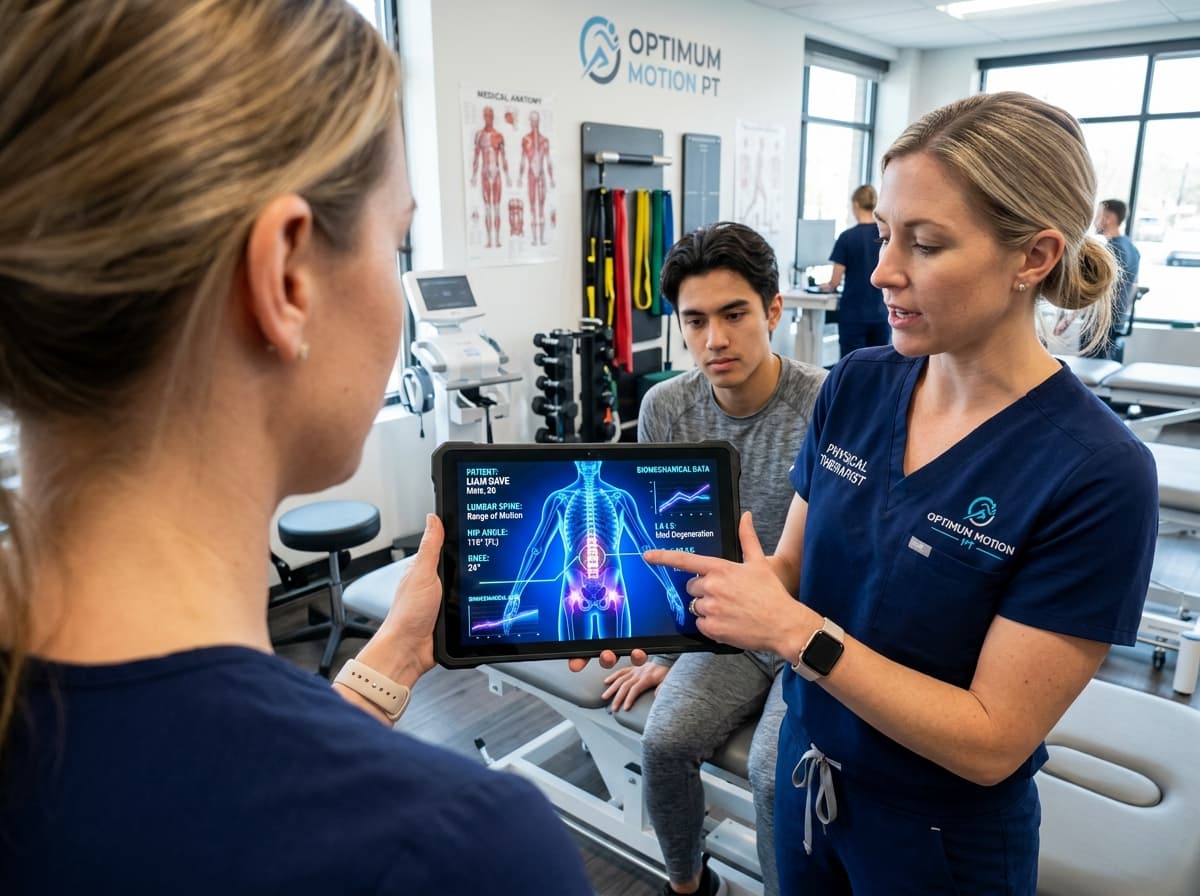
We tailor treatment to your needs using a combination of evidence-based clinical techniques.
Phase 1: Dynamic Sensorimotor & Static Balance Retraining
Re-educating joint position sense and baseline stability using single-leg stance, tandem balance, and closed-chain isometric peroneal contractions. Modalities: Single-Leg Stance on Firm Ground, Theraband Peroneal Strengthening, Cryotherapy Post-Exercise, Kinesiology Taping for Joint Feedback.
Phase 2: Perturbation Training & Multi-Planar Loading
Progressing to unstable surfaces (wobble board, rocker board, foam pad) while introducing unexpected external perturbations and eccentric calf loading. Modalities: BOSU Balance Drills with Ball Catch, Heel-Walk & Toe-Walk Kinetic Drills, Eccentric Calf Lowers, Manual Joint Mobilization.
Phase 3: High-Velocity Agility & Return-to-Sport Mastery
Multi-directional hop tests, figure-8 agility runs, cutting drills, and sport-specific plyometric landing mechanics to ensure zero recurrence. Modalities: Triple-Hop Symmetry Drills, Agility Cone Cutting, Reactive Step Training, Preventive Ankle Bracing Consultation.
When to Seek Clinical Intervention
Clinical intervention is strongly advised if symptoms of Chronic Ankle Instability (CAI) Rehabilitation are progressive, severe, or accompanied by neurological red flags, persistent nighttime pain, or restricted functional mobility.
OUTCOME-DRIVEN BENEFITS
Improved movement. A healthier, more active you.
Sustainable pain reduction
Addressing mechanical root causes rather than temporary masking.
Restored functional mobility
Regain full range of movement for work, sport, and family life.
Reduced reliance on pain medications
Evidence-based non-pharmacological physical therapy rehabilitation.
Enhanced movement confidence
Overcome fear-avoidance beliefs with guided progressive strengthening.
Chronic Ankle Instability (CAI) Rehabilitation Treatment Insights
Clear clinical answers regarding diagnosis, home physiotherapy protocols, and recovery expectations for Chronic Ankle Instability (CAI) Rehabilitation.
Stop Managing.
Start Recovering.
Our clinical team specializes in addressing the root causes of Chronic Ankle Instability (CAI) Rehabilitation with personalized, evidence-based home visit physiotherapy.