UnderstandingAnkle Dislocation Rehabilitation
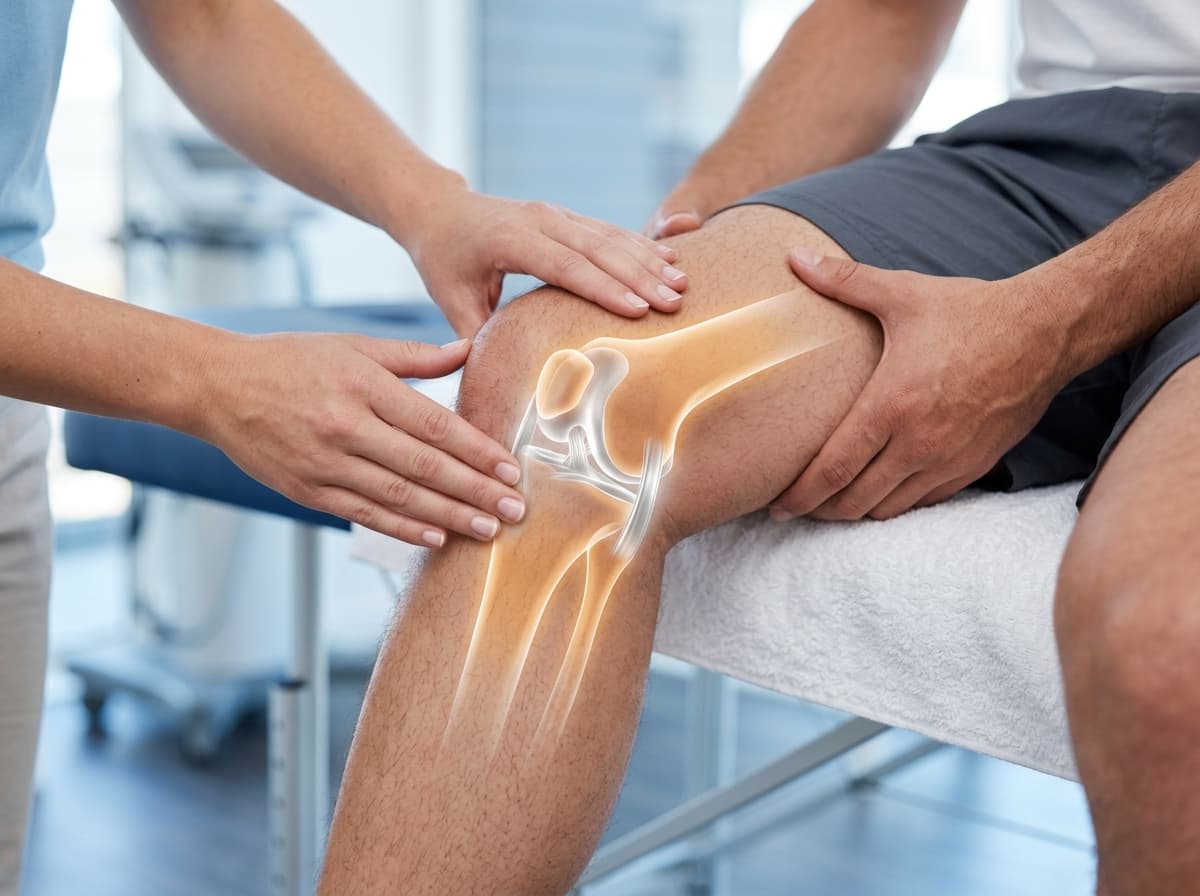
Ankle dislocation occurs when severe traumatic forces displace the talus from its articulation within the tibial-fibular mortise, usually accompanied by extensive capsular tearing, ligamentous rupture, or malleolar fractures. Comprehensive post-reduction physical therapy is crucial to restore talocrural arthrokinematics, prevent chronic joint laxity, and re-establish proprioceptive stability.
Clinical Perspective
Ankle dislocation occurs when severe traumatic forces displace the talus from its articulation within the tibial-fibular mortise, usually accompanied by extensive capsular tearing, ligamentous rupture, or malleolar fractures. Comprehensive post-reduction physical therapy is crucial to restore talocrural arthrokinematics, prevent chronic joint laxity, and re-establish proprioceptive stability.
Medically reviewed by Dr. Kajal Vora, PT, MPT (Neurology), BPT, MIAP (Senior Consultant Physiotherapist & Clinical Director). Our multi-stage recovery protocols are personalized to address tissue healing phases, functional restoration, and preventive kinetic chain re-education directly in your home.
PROBABLE ROOT CAUSES
Identifying the clinical triggers and biomechanical strain patterns behind Ankle Dislocation Rehabilitation.
High
energy rotational or axial trauma (sports collision, fall from height, vehicular impact)
Severe inversion or eversion ankle sprain overcoming ligamentous tensile strength
Clinical biomechanical and physiological factor associated with Ankle Dislocation Rehabilitation.
Pre
existing chronic ankle instability and severe ligamentous laxity (ATFL / CFL)
Associated bimalleolar or trimalleolar fractures disrupting the bony mortise
Clinical biomechanical and physiological factor associated with Ankle Dislocation Rehabilitation.
The Aries Expert Scan
More than a quick look — a deeper understanding
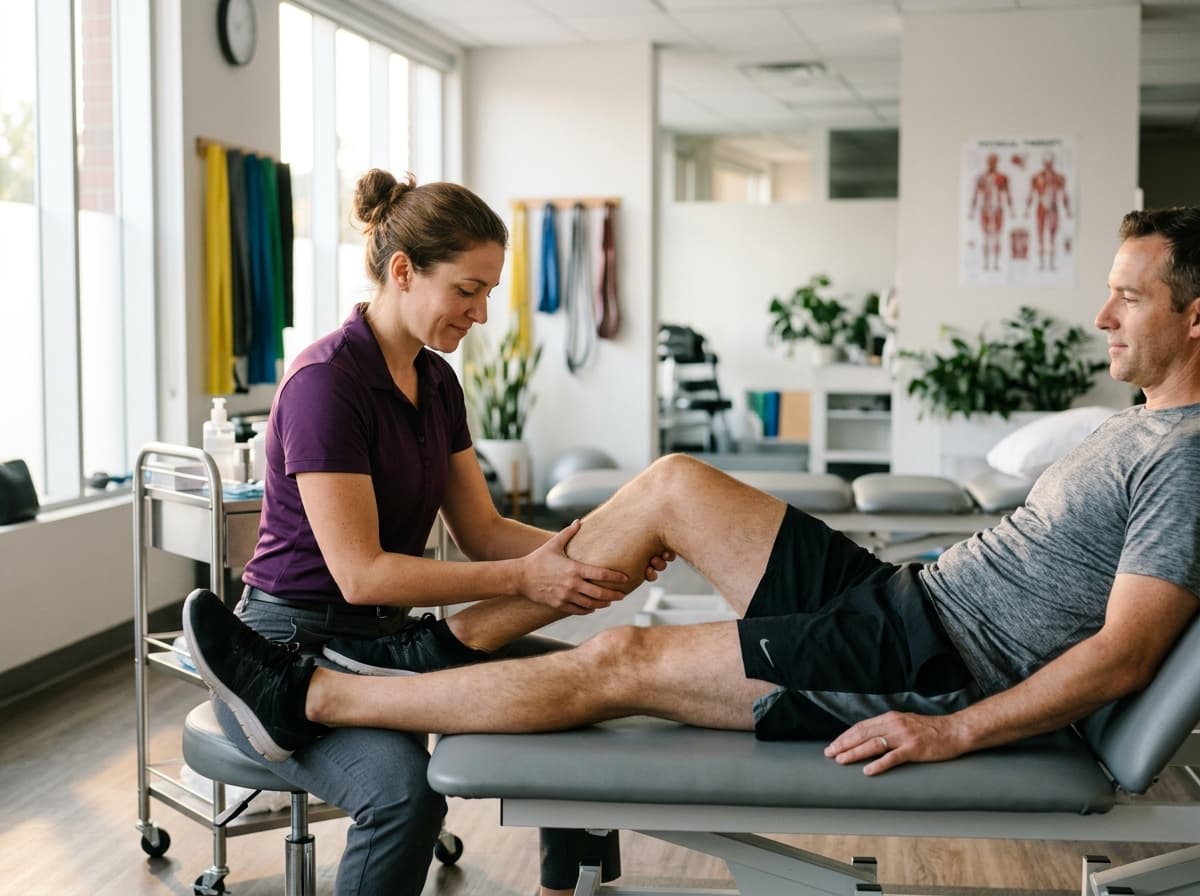
Our clinical specialists conduct thorough biomechanical assessment, palpation, and functional movement screening for Ankle Dislocation Rehabilitation to formulate a patient-centric recovery pathway.
RECOVERY STRATEGIES
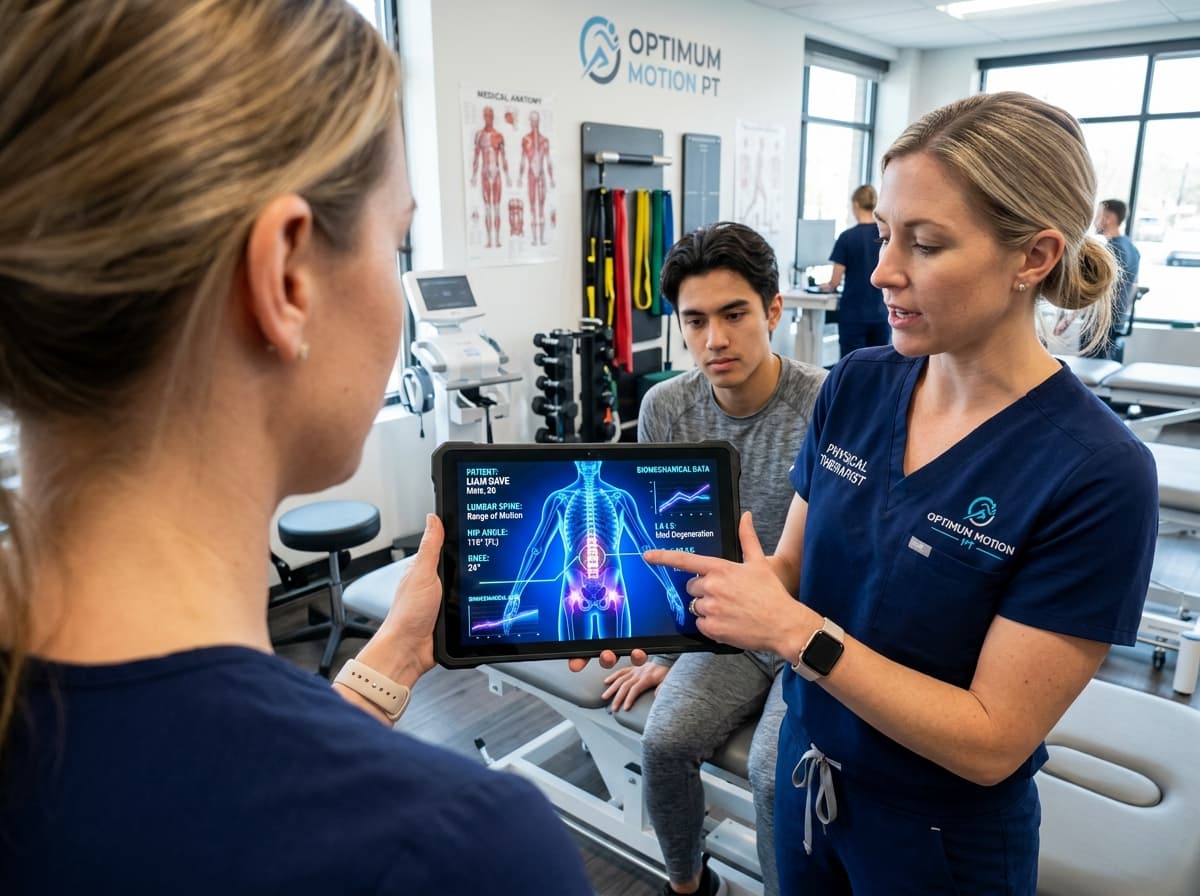
We tailor treatment to your needs using a combination of evidence-based clinical techniques.
Phase 1: Post-Reduction Protection & Edema Reduction (Weeks 1-3)
Controlled protection in boot or cast, cryo-compression therapy, gentle isometric toe and hip conditioning, and non-weight bearing gait training with crutches. Modalities: Interferential Therapy (IFT) for pain gating, Cryo-Compression, Lymphatic Drainage Massage, Active Toe Pumps & Quadriceps Sets.
Phase 2: Arthrokinematic Mobilization & Partial Weight Bearing (Weeks 4-8)
Maitland talocrural joint mobilization (grades I-III), active-assisted range of motion in sagittal plane, progressive heel-cord stretching, and seated wobble board drills. Modalities: Talocrural Posterior Glides, Subtalar Lateral Tilted Mobilization, Theraband Inversion/Eversion, Hydrotherapy / Contrast Baths.
Phase 3: Dynamic Proprioception, Plyometrics & Return-to-Activity (Weeks 9-16)
Single-leg dynamic balance on unstable surfaces, reactive neuromuscular retraining, calf concentric-eccentric loading, and sports-specific cutting drills. Modalities: BOSU Ball Balance Training, Agility Ladder Drills, Plyometric Box Jumps, Kinesio Taping for Proprioception.
When to Seek Clinical Intervention
Clinical intervention is strongly advised if symptoms of Ankle Dislocation Rehabilitation are progressive, severe, or accompanied by neurological red flags, persistent nighttime pain, or restricted functional mobility.
OUTCOME-DRIVEN BENEFITS
Improved movement. A healthier, more active you.
Sustainable pain reduction
Addressing mechanical root causes rather than temporary masking.
Restored functional mobility
Regain full range of movement for work, sport, and family life.
Reduced reliance on pain medications
Evidence-based non-pharmacological physical therapy rehabilitation.
Enhanced movement confidence
Overcome fear-avoidance beliefs with guided progressive strengthening.
Ankle Dislocation Rehabilitation Treatment Insights
Clear clinical answers regarding diagnosis, home physiotherapy protocols, and recovery expectations for Ankle Dislocation Rehabilitation.
Stop Managing.
Start Recovering.
Our clinical team specializes in addressing the root causes of Ankle Dislocation Rehabilitation with personalized, evidence-based home visit physiotherapy.